Type 1 MOT & Aggregates Guide South Wales 2025 — What to Order & How Much
Ordering the wrong aggregate — or the wrong quantity — is one of the most common and costly mistakes on construction projects. This practical guide covers everything you need to know for South Wales projects in 2025.
The Main Aggregate Types and What They're Used For
Type 1 MOT Sub-Base
Type 1 MOT is crushed rock (usually limestone or granite) graded to a specific specification that allows it to compact tightly. It's the standard sub-base material for driveways, paths, parking areas, and road construction. The 'MOT' designation means it meets Ministry of Transport specification — essential if your driveway or access road will eventually be adopted by the local highway authority.
Typical depth: 100–150mm for residential driveways; 200mm+ for commercial or heavy vehicle areas.
Quantity formula: Length (m) × Width (m) × Depth (m) × 2.1 = tonnes needed
Recycled Hardcore
Recycled hardcore (crushed concrete and brick) is a cost-effective alternative to virgin Type 1 MOT for applications where highway specification isn't required. It's widely used for farm tracks, site access roads, yard bases, and temporary hardstandings. We also supply road planings — recycled asphalt that self-binds under traffic — as an even more economical option for farm tracks and access roads.
Sharp Sand
Sharp (concreting) sand is coarse, angular sand used in concrete mixes, block paving bedding layers, and drainage applications. For block paving, a 50mm sharp sand bedding layer is laid on top of the compacted Type 1 sub-base before blocks are laid. Don't confuse with building (soft) sand which is finer and used for bricklaying mortar.
Ballast (All-in Aggregate)
Ballast is a mix of sharp sand and gravel (all-in aggregate) used directly for concrete making. A standard concrete mix for foundations uses 1 part cement to 5 parts ballast. It's the most economical way to buy concrete aggregate for site-mixed concrete.
Topsoil
Screened topsoil is used for garden creation, lawns, raised beds, and landscaping around new builds. Quality varies significantly — our screened topsoil is free from large stones and debris. For areas that will be seeded or turfed, aim for a minimum 150mm depth of topsoil; for vegetable growing, 300mm+ is ideal.
Aggregate Quantity Calculator
Quick Quantity Formula
Tonnes = Length (m) × Width (m) × Depth (m) × Density
- Type 1 MOT density: 2.1
- Sharp sand density: 1.6
- Ballast density: 1.8
- Topsoil density: 1.3
Example: 6m × 4m driveway at 150mm Type 1 = 6 × 4 × 0.15 × 2.1 = 7.6 tonnes
Aggregate Prices South Wales 2025
| Material | Approx. Price/Tonne | Min. Delivery |
|---|---|---|
| Type 1 MOT | £28–£38 | ~10 tonnes |
| Recycled Hardcore | £22–£30 | ~10 tonnes |
| Road Planings | £18–£26 | ~10 tonnes |
| Sharp Sand | £32–£42 | ~10 tonnes |
| Ballast | £30–£40 | ~10 tonnes |
| Screened Topsoil | £35–£50 | ~10 tonnes |
Prices include delivery across South Wales. Call 01495 820164 for an exact quote to your site.
Common Mistakes When Ordering Aggregates
Getting aggregate ordering wrong wastes time and money. The most frequent mistakes we see across South Wales projects include ordering the wrong material type, underestimating quantities, and ignoring compaction factors. Ordering too little means a second delivery charge and a delay while you wait; ordering too much means paying for material you don't need and finding somewhere to store the surplus.
Underestimating compaction: Type 1 MOT compacts by approximately 30% when properly rolled. If you calculate your requirement based on loose volume without accounting for compaction, you'll be short of material. Always order 10–15% extra to account for compaction losses, uneven subgrade, and spreading variations — it's far cheaper to have a small surplus than to pay for a second delivery.
Confusing sharp sand and building sand: These are completely different materials. Sharp sand is angular and coarse — used for concrete and block paving bedding. Building sand is soft and fine — used for bricklaying mortar. Using the wrong sand in concrete significantly reduces strength; using the wrong sand under block paving causes settlement and surface movement.
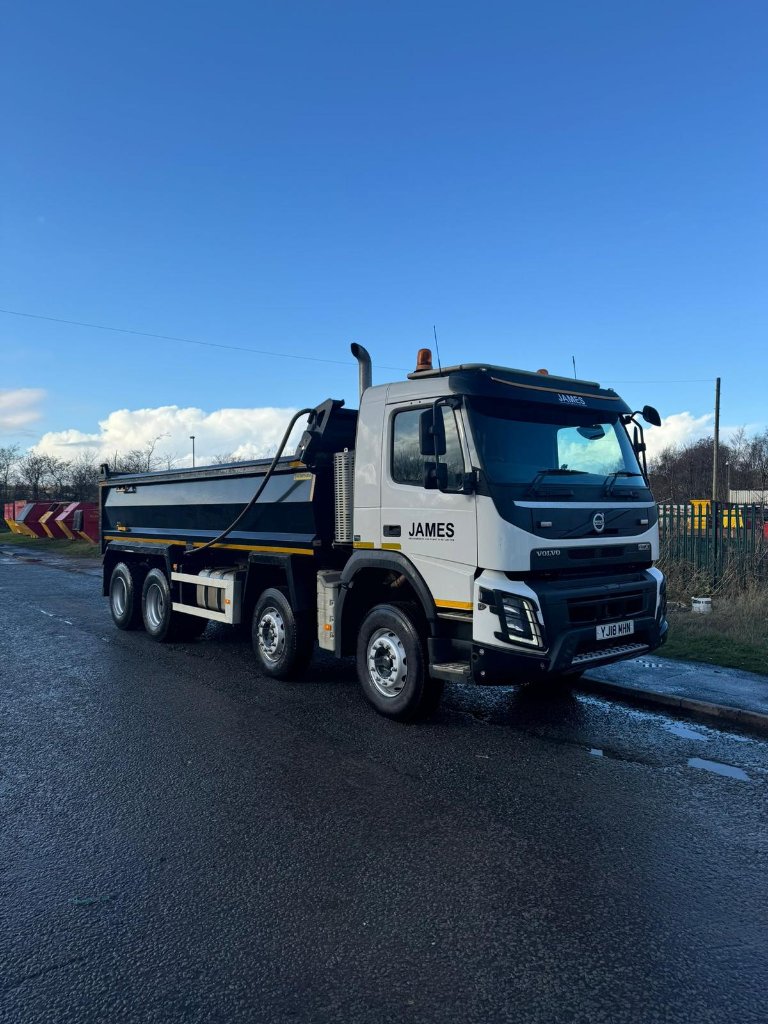
Ignoring access constraints: Before ordering a full tipper load, confirm your site can accept a delivery vehicle. Our 8-wheel tippers need approximately 3.5 metres width and 9 metres length to tip safely. For restricted-access sites in the South Wales valleys, our 6-wheel tippers offer a more compact alternative. Always discuss access when ordering.
Recycled vs Virgin Aggregates — Which to Choose
Recycled aggregates — crushed concrete, brick, and demolition material — offer significant cost savings and environmental benefits. For non-structural applications like farm tracks, site access roads, hardstandings, and sub-base beneath non-adoptable areas, recycled Type 1 performs comparably to virgin material at a lower cost.
For adoptable highways, structural concrete, and applications requiring certified material, virgin Type 1 MOT from a certified quarry is necessary to meet specification. Recycled aggregates may not carry the required gradation certificates. We supply both and can advise on which is appropriate for your specific project — call 01495 820164 for guidance.
Using recycled aggregates contributes to BREEAM credits and sustainability targets, which is increasingly important for commercial and public sector projects. It also reduces landfill — every tonne of recycled aggregate used avoids sending demolition waste to landfill and reduces the demand for primary quarry extraction.
Aggregate Delivery Across South Wales
We deliver aggregates throughout South Wales including Aggregates Cardiff, Aggregates Newport, Aggregates Swansea, Pontypridd and the Valleys, and Aggregates Monmouthshire. Same-day delivery is available across most of the region. For our full range see the Aggregates South Wales page.
FAQs
How much does Type 1 MOT cost per tonne in South Wales?
Type 1 MOT in South Wales typically costs £28–£38 per tonne delivered, depending on volume and location. Call 01495 820164 for an exact delivered price to your site.
How much Type 1 MOT do I need for a driveway?
For a standard single driveway (2.5m × 7m) at 150mm depth, you need approximately 4–5 tonnes of Type 1 MOT. For a double driveway at the same depth, around 8–10 tonnes.
What is the difference between Type 1 MOT and hardcore?
Type 1 MOT is a specific graded crushed aggregate that meets Ministry of Transport specification for road sub-bases. Hardcore is a general term for broken brick, concrete and rubble — it's cheaper but less consistent and not suitable for adoptable highway work.
Can you deliver aggregates same day in Cardiff and Newport?
Yes — same-day aggregate delivery is available across Cardiff, Newport, and most of South Wales for orders placed before mid-morning. Call 01495 820164 early to secure a same-day slot.
Order Aggregates Across South Wales
Same-day delivery available in Cardiff, Newport, Swansea and beyond
Call 01495 820164Related Services: