
Type 1 MOT Sub-Base: How Much Do You Need? South Wales Guide
Published March 2026 · 5 min read · James Grab & Tipper Hire
Type 1 MOT is the most widely used aggregate on South Wales construction projects. But getting the quantity wrong costs money — too little and the surface fails; too much and you've wasted budget. Here's exactly how to calculate what you need.
What is Type 1 MOT Sub-Base?
Type 1 MOT (Ministry of Transport) is a crushed, graded aggregate — typically limestone, granite, or recycled concrete — that passes through a 63mm sieve down to dust. The angular, interlocking particles compact tightly to form a stable, free-draining layer beneath paved surfaces.
It is specified in the Specification for Highway Works (the SHW) and is the standard sub-base material for roads, driveways, car parks, paths, and building floor slabs across the UK.
How Much Type 1 Do You Need?
The formula is: Area (m²) × Depth (m) × 2.1 (density of compacted Type 1) = Tonnes required
Recommended depths by application:
- Standard domestic driveway (car use): 100–150mm compacted (use 150mm to be safe)
- HGV / commercial vehicle driveway: 200–250mm compacted
- Footpath / pedestrian area: 75–100mm compacted
- Building floor slab sub-base: 150mm minimum compacted
- Temporary site road: 200mm compacted
Worked Examples for South Wales Projects
Double driveway (5m × 5m = 25m²) at 150mm depth:
25 × 0.15 × 2.1 = 7.9 tonnes — order 8–9 tonnes to allow for wastage and variation
Car park (20m × 15m = 300m²) at 200mm depth:
300 × 0.20 × 2.1 = 126 tonnes — approximately 8 tipper loads
Garden path (1.2m × 20m = 24m²) at 100mm depth:
24 × 0.10 × 2.1 = 5 tonnes — one small delivery
Why South Wales Ground Conditions Matter
The clay soils common across the South Wales valleys present specific challenges for paved surface construction. Clay has poor bearing capacity when wet, can heave in frost, and moves seasonally as moisture content changes. Insufficient sub-base depth on clay means your driveway or path will move and crack within a few years.
On clay subgrades, we recommend:
- Strip topsoil and at least 100mm of clay before commencing sub-base
- Lay a geotextile membrane before Type 1 to prevent clay contamination from below
- Use 150mm minimum Type 1 for domestic driveways — more on heavy clay or soft ground
- Compact in 100mm layers rather than placing full depth at once
Type 1 MOT vs Other Sub-Base Materials
Not sure if Type 1 MOT is the right material for your project? Here's how it compares to other common sub-base and fill materials used across South Wales:
- Type 1 MOT — crushed, graded to 63mm down to dust. Best all-round sub-base for driveways, paths, and roads. Compacts hard and stable.
- Type 2 MOT — coarser grading (down to 5mm, less dust). Less cohesive than Type 1. Used for capping layers and general fill where a stable surface isn't critical.
- MOT Type 3 (Open-graded) — no fines, free-draining. Used where water drainage through the sub-base is needed — e.g. sports pitches, sustainable drainage systems.
- Scalpings — a cheaper, less processed alternative. Variable grading and quality. Suitable for non-critical fill and temporary roads but not recommended for finished driveways.
- Road planings — recycled asphalt millings. A cost-effective alternative for driveways and tracks. Self-binding when compacted but not a SHW-specified sub-base.
For most South Wales residential and commercial projects, Type 1 MOT remains the gold standard. It meets highway specifications, compacts reliably, and provides a stable base that won't move or settle unevenly.
Common Mistakes to Avoid
Getting your sub-base wrong is the single most common cause of driveway and path failure in South Wales. Here are the mistakes we see most often:
- Ordering too little — always add 5–10% to your calculated tonnage for wastage, uneven subgrade, and compaction settling. Running short means a second delivery charge.
- Insufficient depth on clay — South Wales clay soils need 150mm minimum for domestic driveways. 100mm on clay will fail within 2–3 years as the clay moves seasonally.
- No geotextile membrane — on soft or clay ground, placing Type 1 directly on the subgrade allows clay to mix into the aggregate, destroying its structural integrity. Always use a geotextile separator.
- Compacting in one layer — Type 1 should be compacted in layers no deeper than 100–150mm. Placing 200mm and compacting once leaves the bottom layer uncompacted, causing future settlement.
- Not compacting at all — loose Type 1 will settle under load. Use a vibrating plate compactor (wacker plate) for small areas or a roller for larger projects. Make at least 4–6 passes.
Type 1 MOT Delivery in South Wales
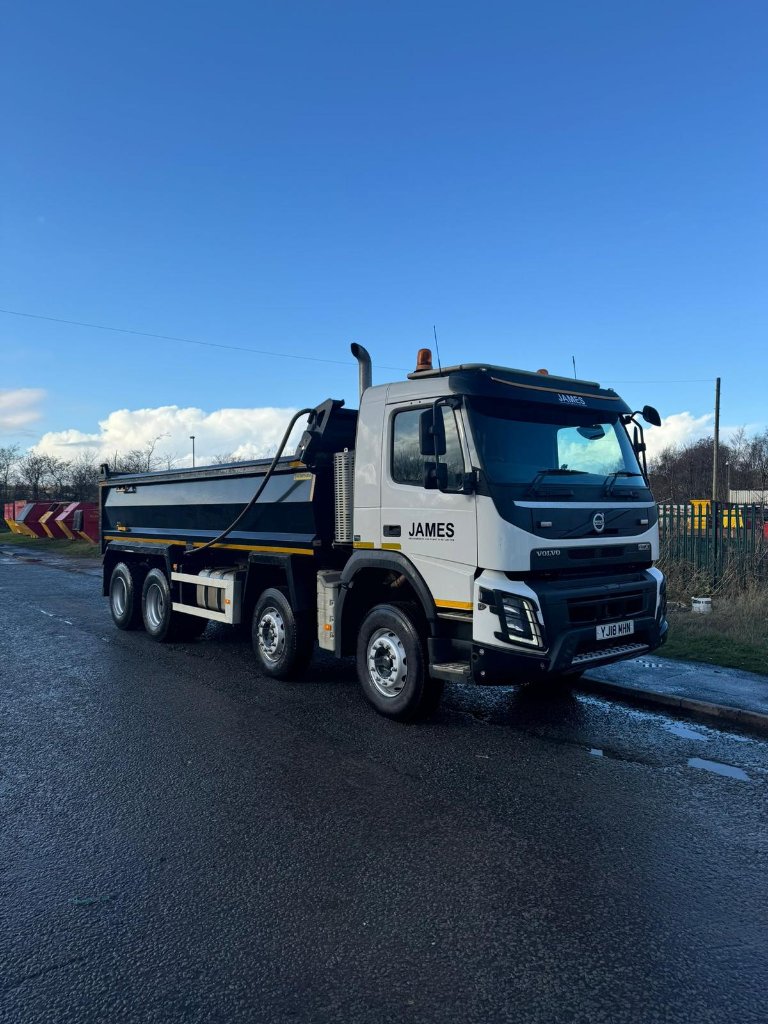
We deliver Type 1 MOT in bulk tipper loads across South Wales. Minimum delivery is typically 5 tonnes (half load) and we can deliver up to 20 tonnes per 8-wheel tipper load. Same-day delivery is available across South Wales for orders placed before mid-morning.
Our drivers are experienced in placing material accurately — whether tipping into a trench, spreading across a driveway area, or depositing at a specific point on a construction site. We can advise on quantities and depths for your specific project.
Use our aggregate calculator to get a precise tonnage estimate for your South Wales project.
Order Type 1 MOT Delivery in South Wales
Same-day delivery available across South Wales. Call for quantity guidance and a fixed price.